

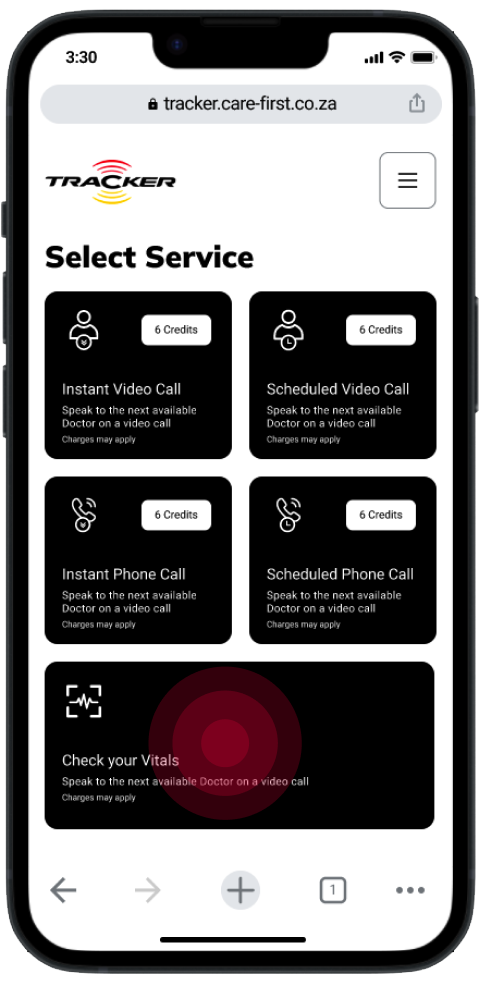
Step 01
To start a vial scan users will have to click on the vital scan card.
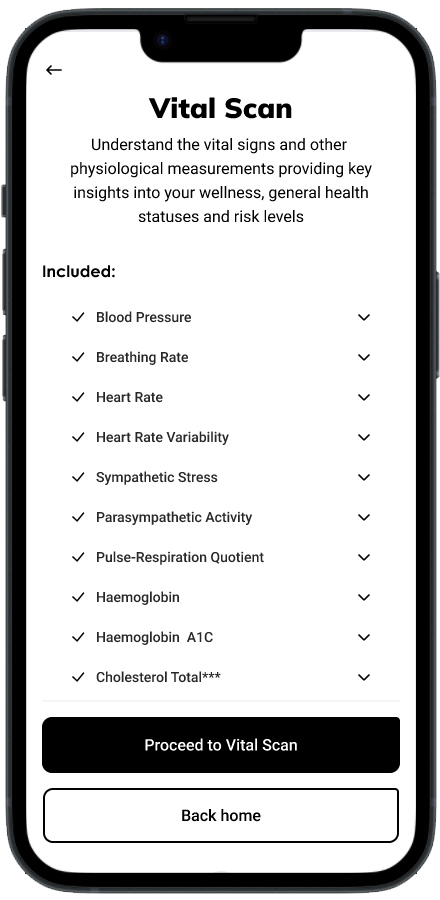
Step 02
The users will be shown a list of vital signs that the vital scan is capable of detecting.
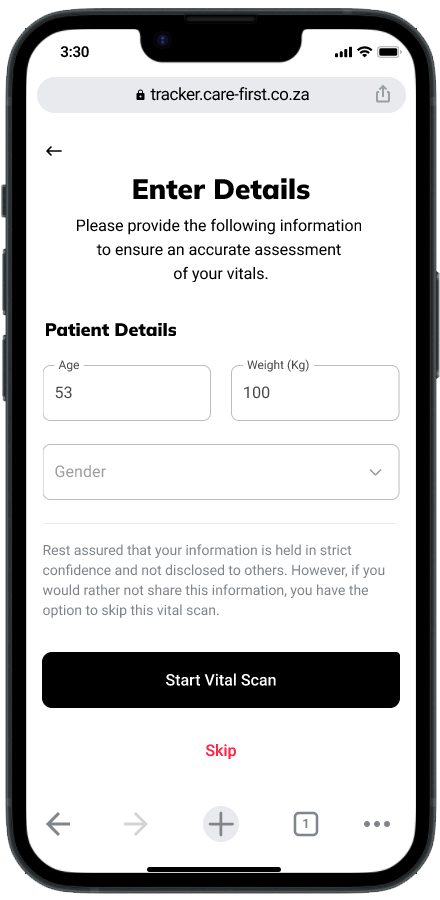
Step 03
The user will have to fill in their details to ensure an accurate measurement.

Step 04
Users will need to allow access to their microphone and camera to proceed.
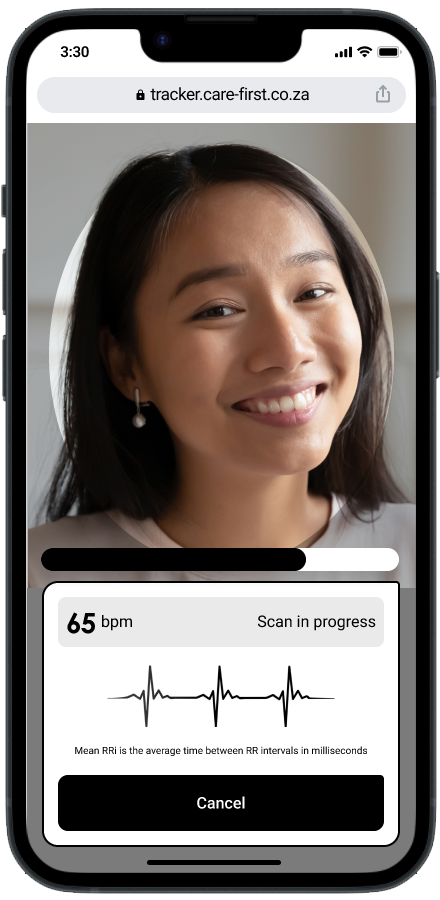
Step 05
Users will have to ensure that they are visible and correctly positioned in front of their camera with sufficient lighting for the scan to take accurate measurements.
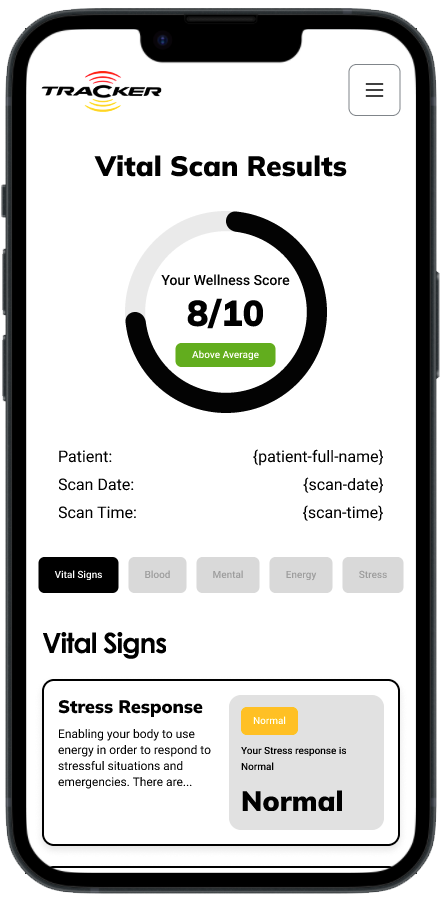
Step 06
The user will receive the results of their vital scan and a measurement of their vital signs.
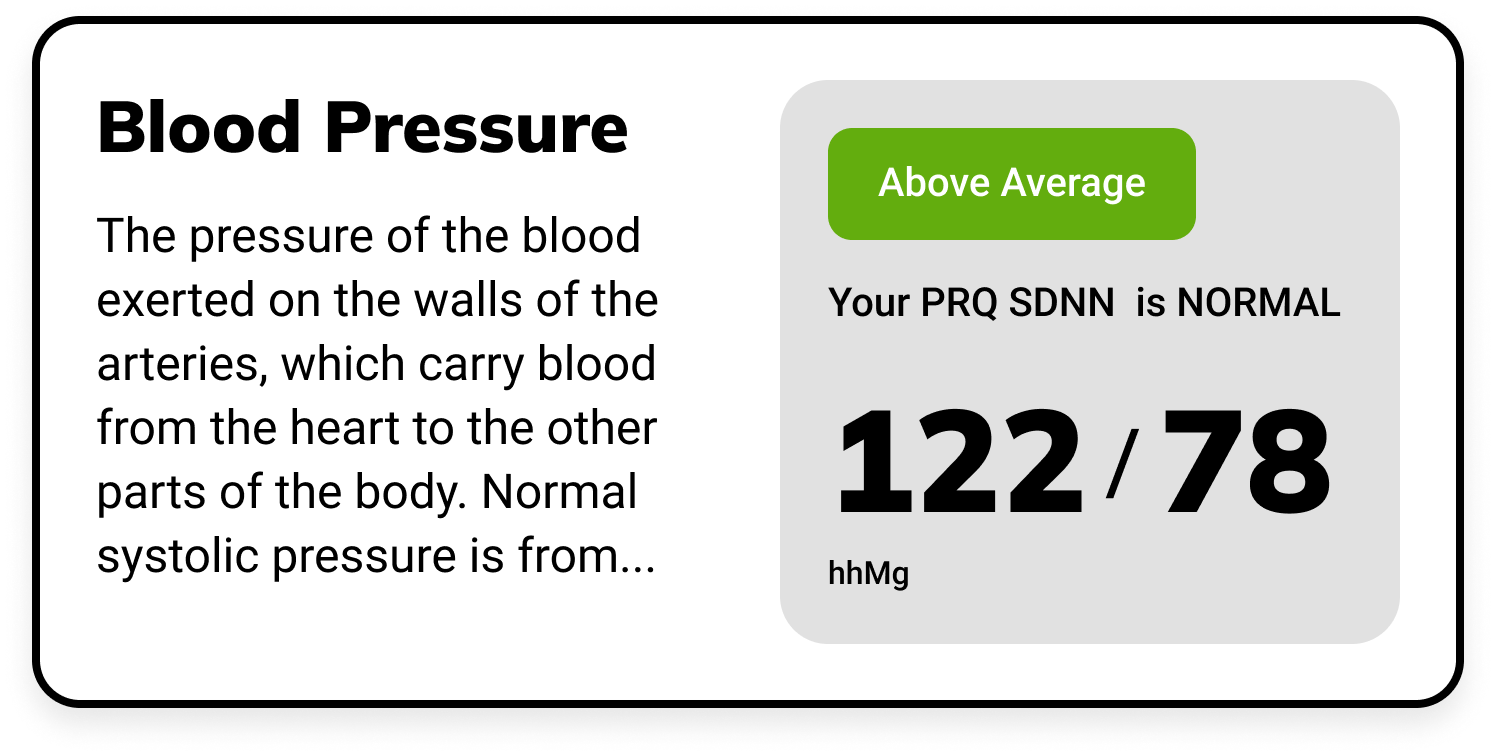
Blood Pressure
Blood pressure is a critical vital sign that measures the pressure of circulating blood against artery walls, and it is measured in two numbers. The first number, or systolic pressure, refers to the pressure inside the artery when the heart contracts and pumps blood throughout the body. The second number, or diastolic pressure, refers to the pressure inside the artery when the heart is at rest and is filling with blood.
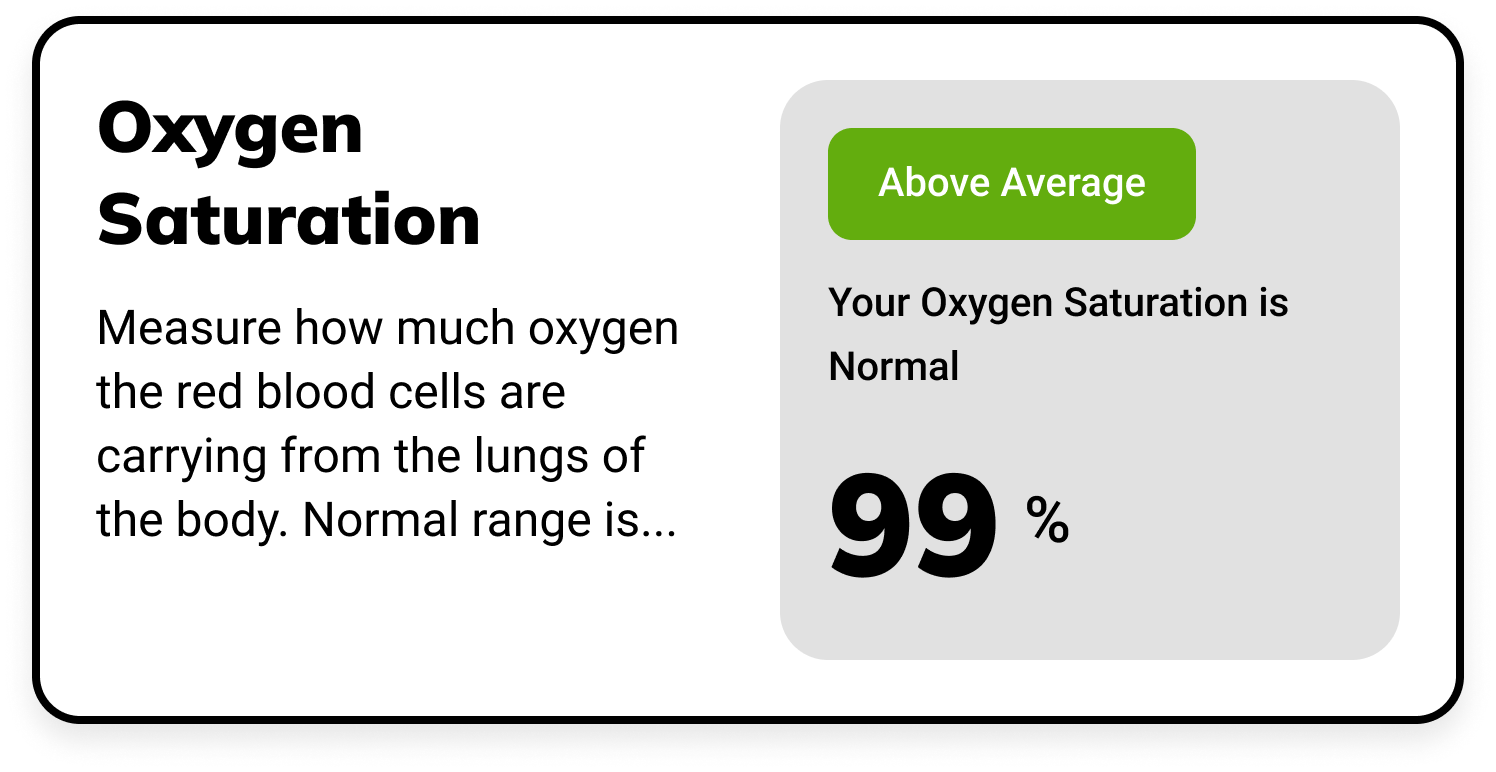
Oxygen Saturation
Oxygen saturation (SpO2) is another vital sign monitored to evaluate a person’s general health. Oxygen saturation is a measure of how much oxygen the red blood cells are carrying from the lungs to the rest of the body. Normal SpO2 for healthy lungs ranges between 95-100%. For individuals with chronic conditions or lung diseases, it could be lower than 95%.
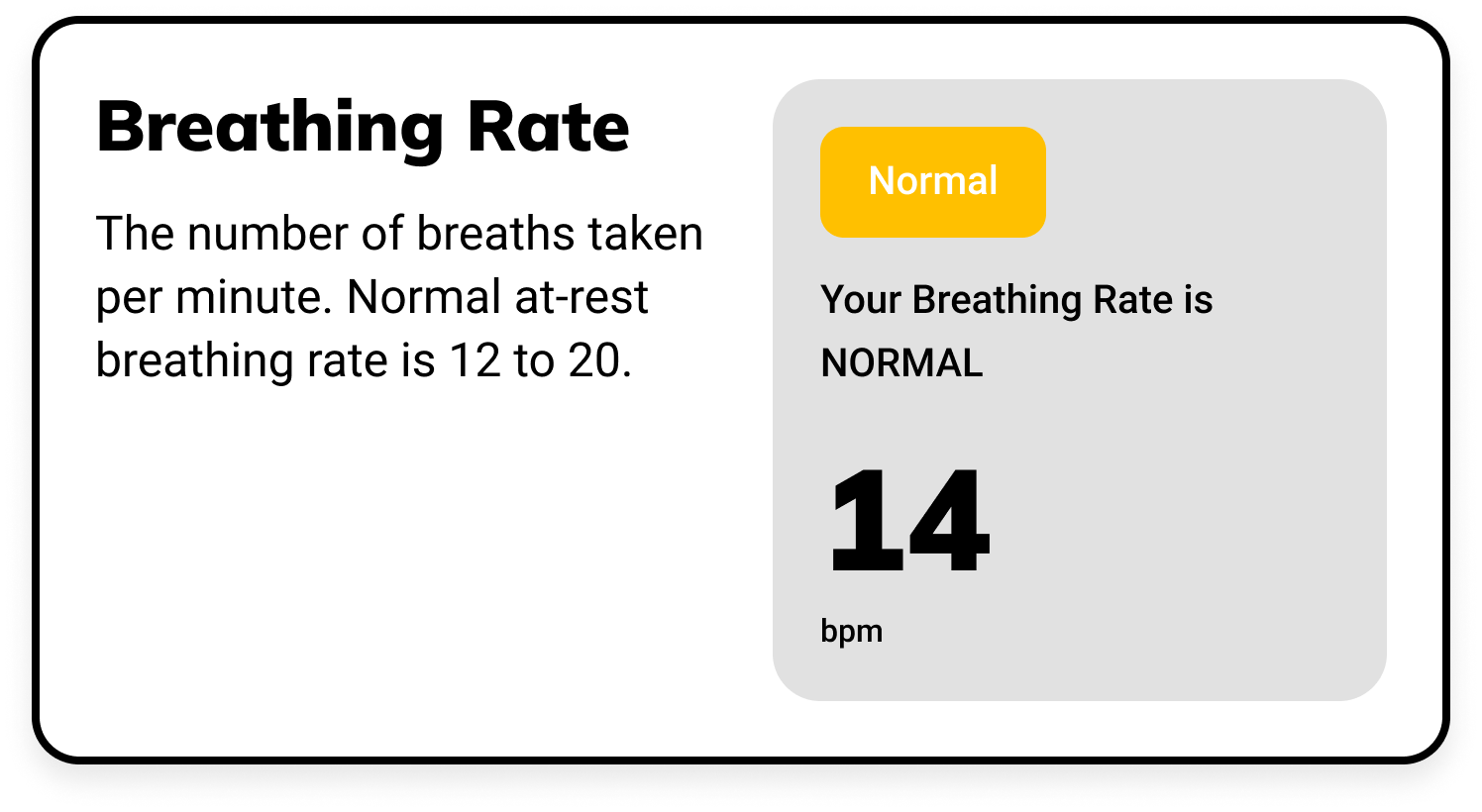
Breathing Rate
Breathing rate is a vital sign that measures the number of breaths taken per minute. The normal breathing rate for adults at rest ranges between 12-20 breaths per minute, but may reach up to 24 breaths per minute for some older individuals.
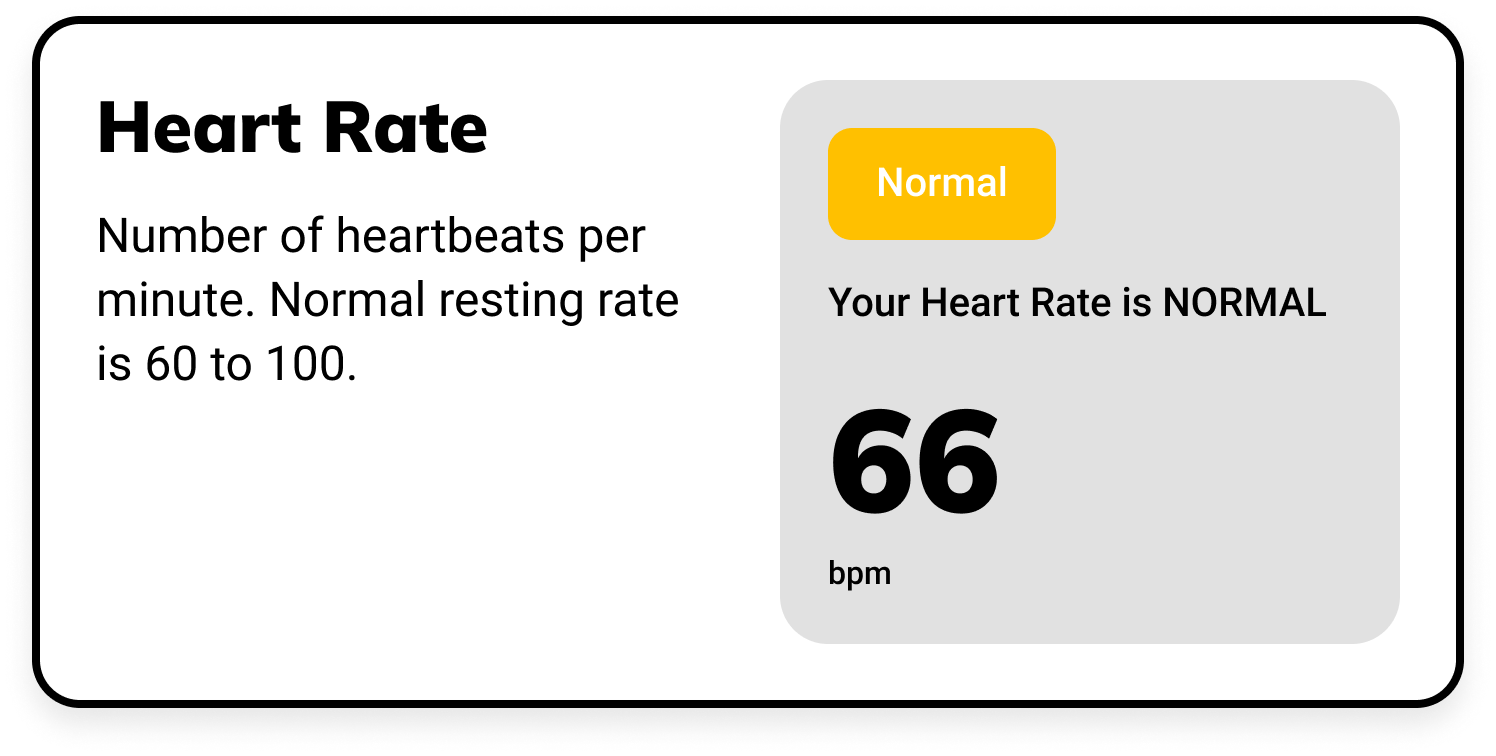
Heart Rate
The heart rate vital sign measures the number of times the heart beats per minute. The normal resting heart rate for a healthy adult is between 60-100 bpm. Think of the heart as a pump that pushes blood throughout the body. With every beat, the heart pumps blood containing oxygen and nutrients around the body and brings back waste products. A healthy heart supplies the body with the right amount of blood at a rate proportionate to whatever activity the body is undertaking.
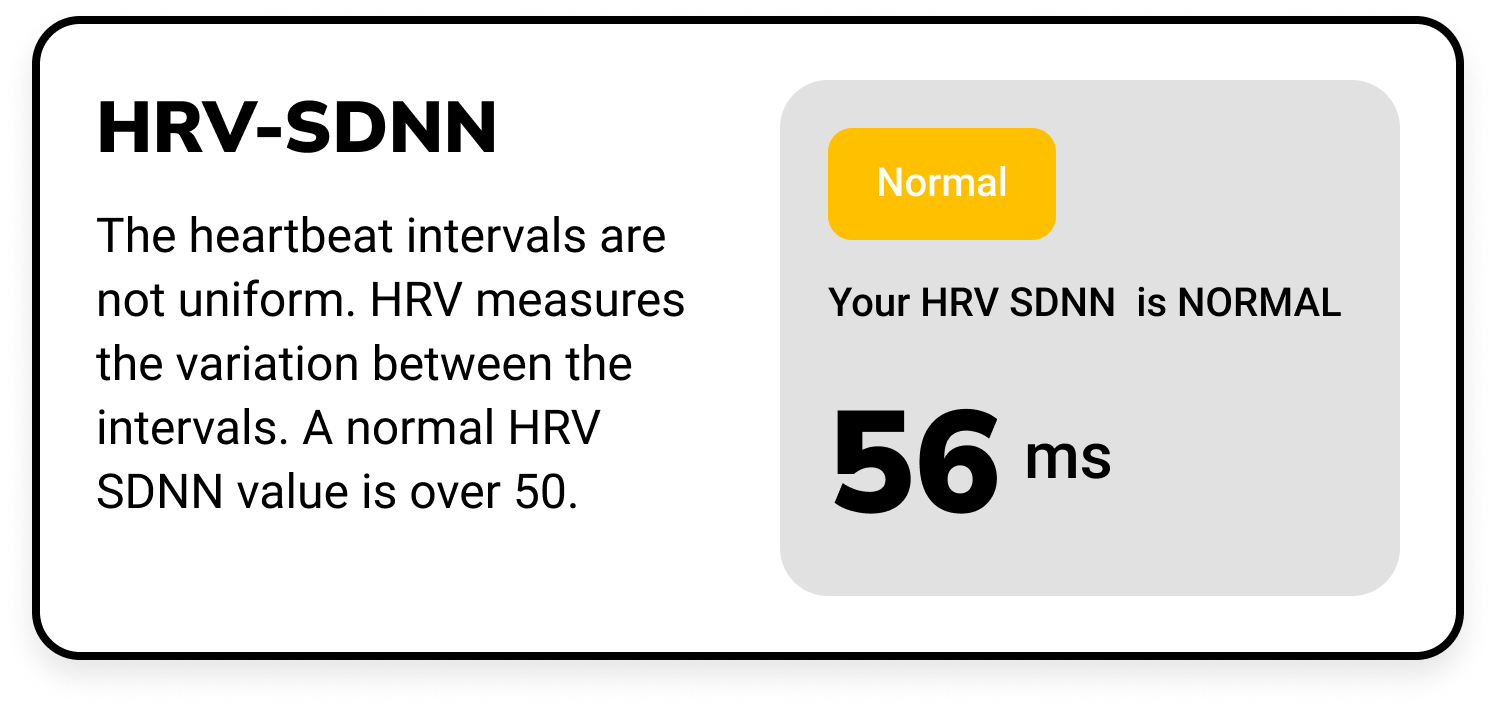
Heart Rate Variability
A healthy heart does not beat at regular intervals as would a metronome; rather, there are variations in time between beat to beat. These variations are measured by the Heart Rate Variability (HRV) metric and they reflect the functions of the parasympathetic and sympathetic nervous systems, the two components of the Autonomic Nervous System (ANS), which controls heart activity.
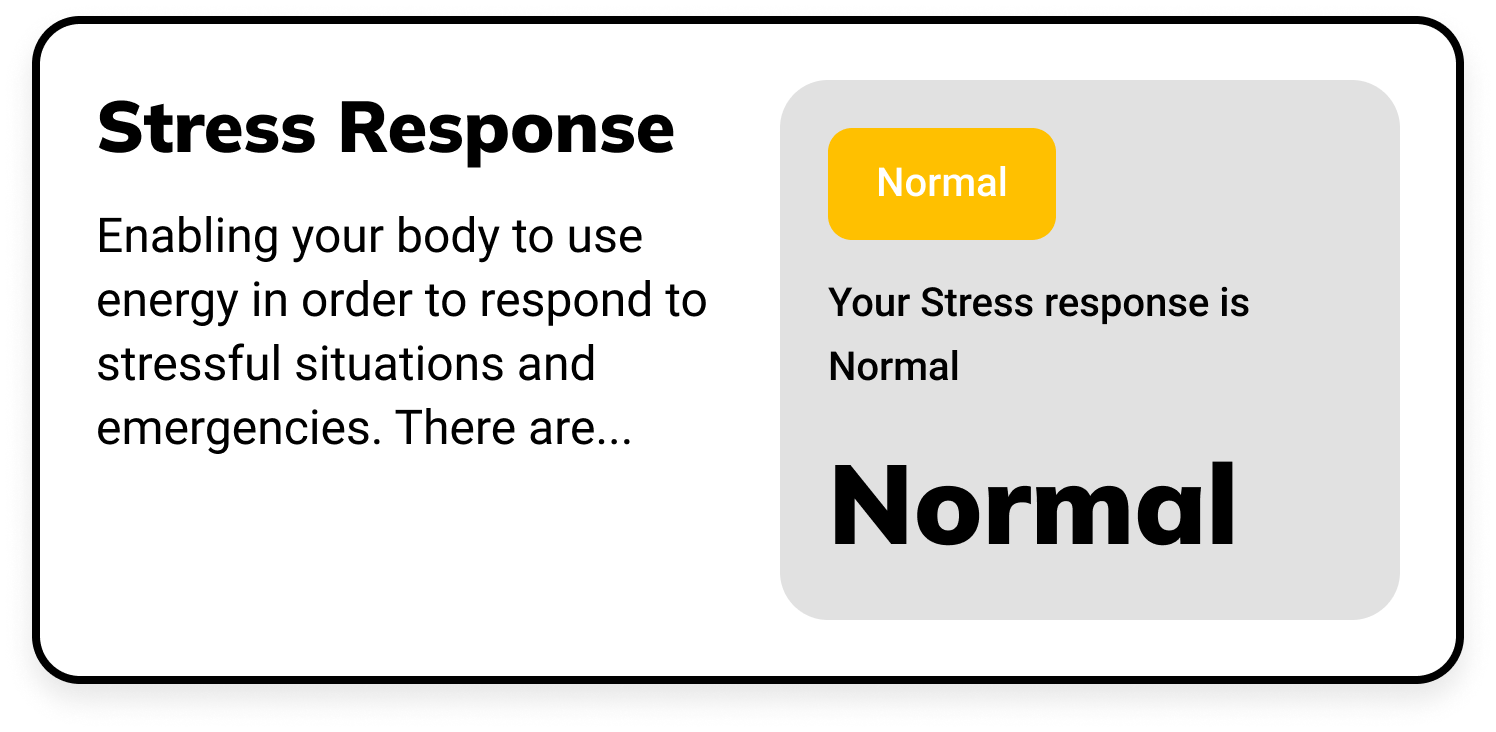
Stress Response
The sympathetic nervous system promotes the body’s response to stress, commonly referred to as the “fight or flight” response. When preparing for an emergency, the sympathetic nervous system (SNS) activates numerous complex pathways and components. These physiological activities help to achieve a faster heart rate, breathing rate, and blood pressure. Noticeable changes include blood flow that moves away from the skin and stomach, and is redirected from the intestines to the brain, heart, and muscles, as well as sweating, “goose-bumps”, dilation of the pupils, and a host of other feelings that appear during the stress response.
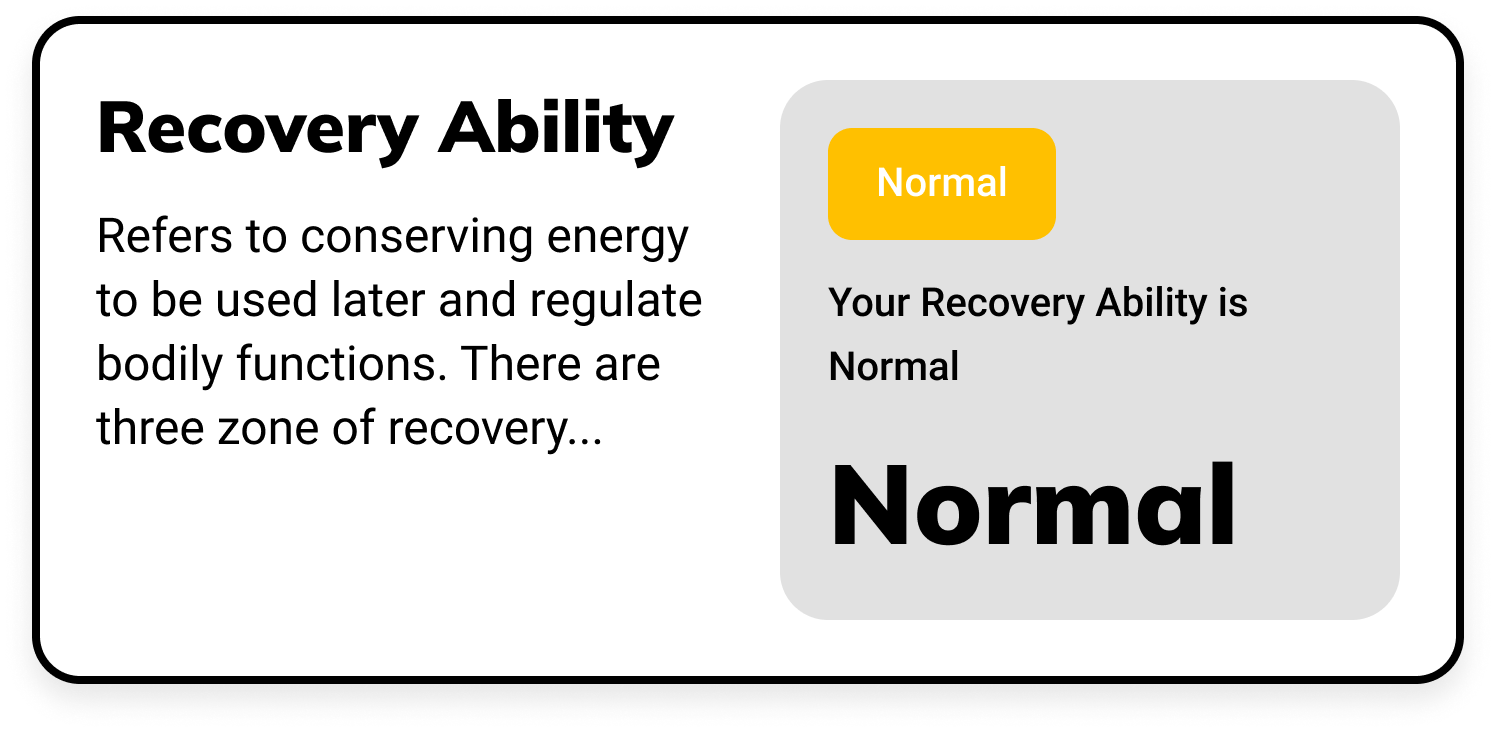
Parasympathetic Activity
The parasympathetic nervous system (PNS) regulates the body’s “rest and digest” response and plays an important role in alleviating stress and promoting recovery. It does so by inhibiting the activity of the sympathetic nervous system and the release of stress hormones, and returning bodily functions to their resting state by slowing the heart rate, lowering blood pressure, reducing muscle tension and restoring regular breathing, digestion and glandular activity.
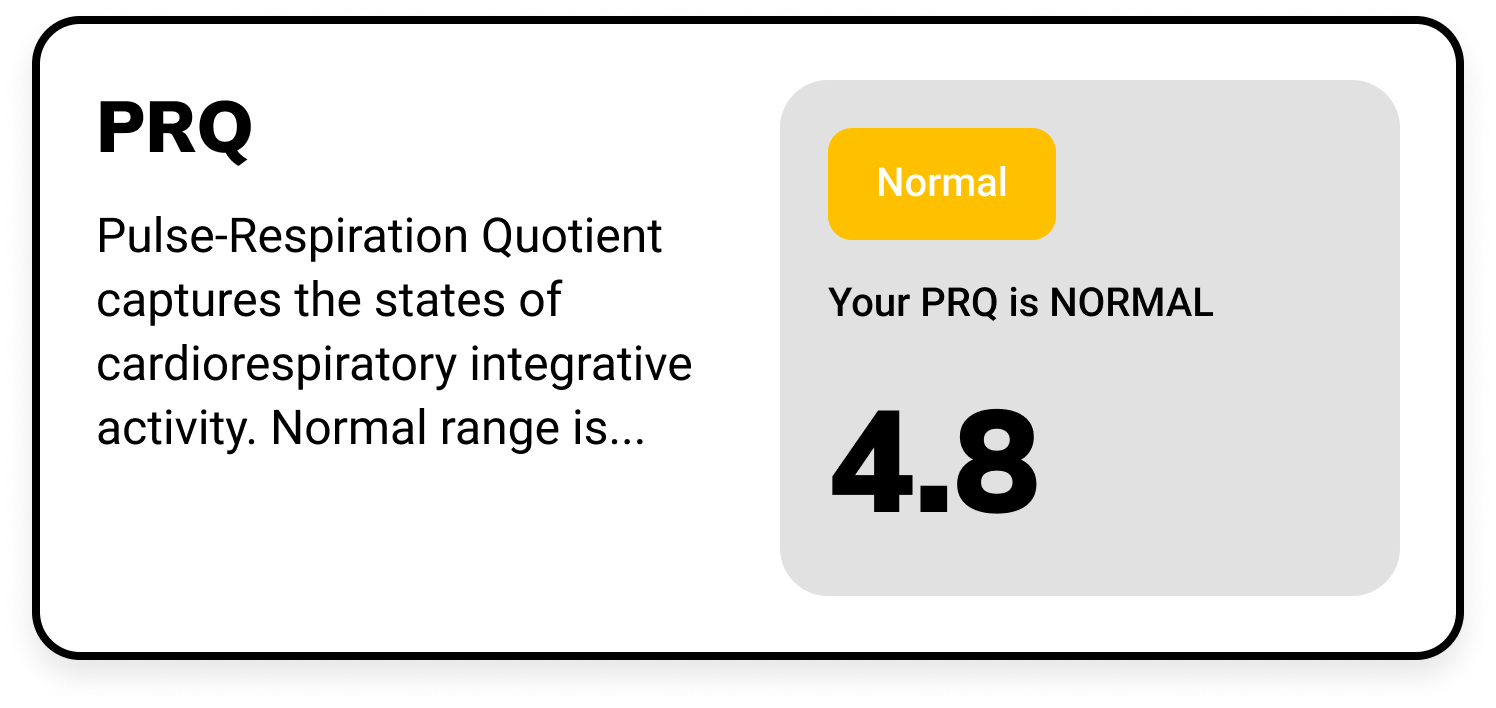
Pulse-Respiration Quotient
The pulse-respiration quotient (PRQ) reflects emergent properties of the complex interplay between cardiac and respiratory activities. The pulse-respiration quotient metric measures to what extent this interplay is functioning normally. A low or high score would indicate that your heart rate and/or breathing rate are disproportionate, which may indicate that both the heart and the lungs are working inefficiently.
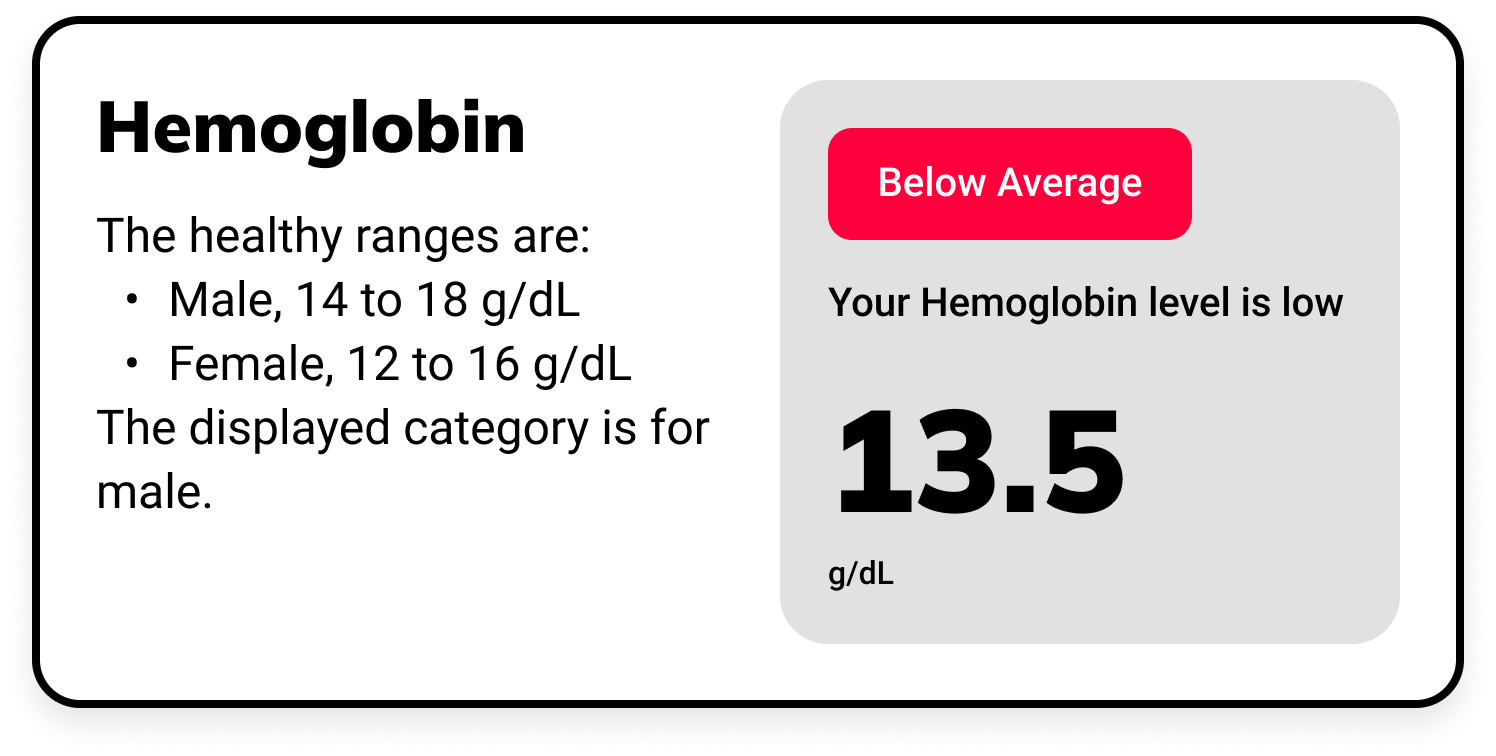
Hemoglobin
Hemoglobin is a protein in your red blood cells that carries oxygen to your body’s organs and tissues and transports carbon dioxide from your organs and tissues back to your lungs.If a hemoglobin test reveals that your hemoglobin level is lower than normal, it means you have a low red blood cell count (anemia). Anemia can have many different causes, including vitamin deficiencies, bleeding and chronic diseases.
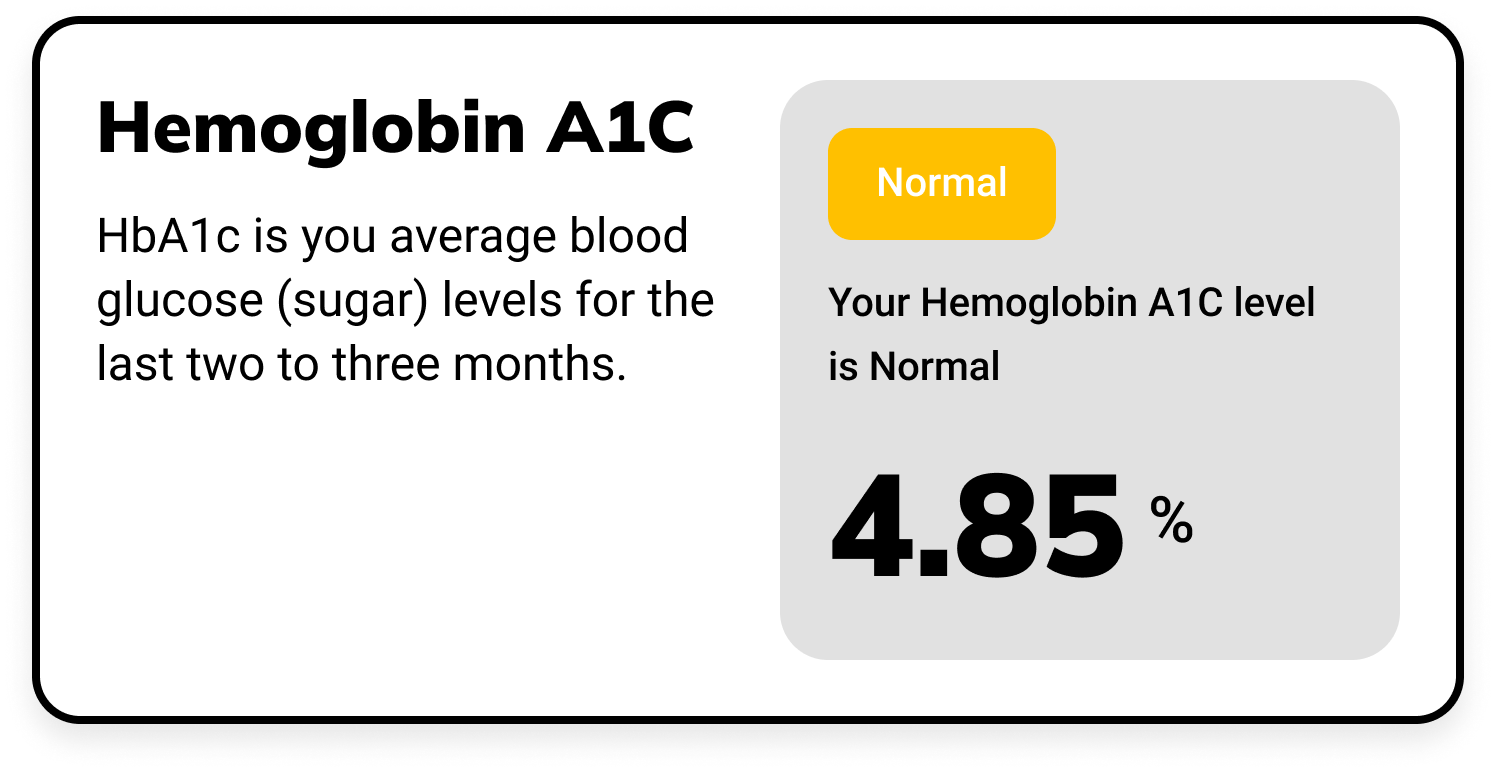
Hemoglobin A1C
When sugar enters your bloodstream, it attaches to hemoglobin, a protein in your red blood cells. Everybody has some sugar attached to their hemoglobin, but people with higher blood sugar levels have more. The A1C test measures the percentage of your red blood cells that have sugar-coated hemoglobin. This test is generally used to test for diabetes.
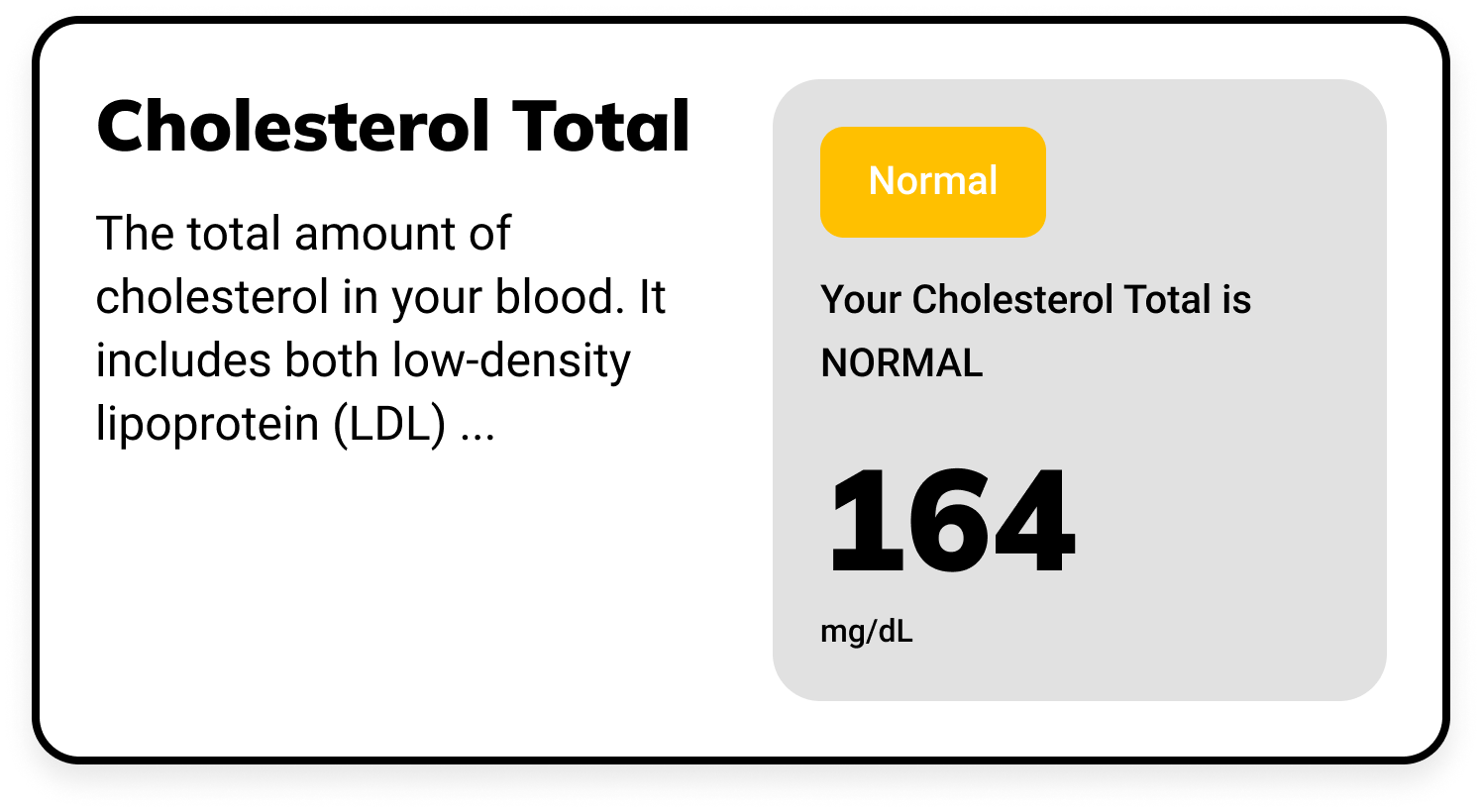
Cholesterol Total***
Total cholesterol represents the combined amount of “bad” cholesterol (low-density, or LDL) and “good” cholesterol (high-density lipoprotein, or HDL) in your blood.The measurement is then compared to your individual HDL result to gauge your risk for heart disease and stroke. This reveals whether LDL, which is the bad cholesterol that can build up in your arteries and cause blockages, is or is not the predominant cholesterol type in your body.